
Why Westchester County Roofs Get Black Streaks — and How to Remove Them for Good
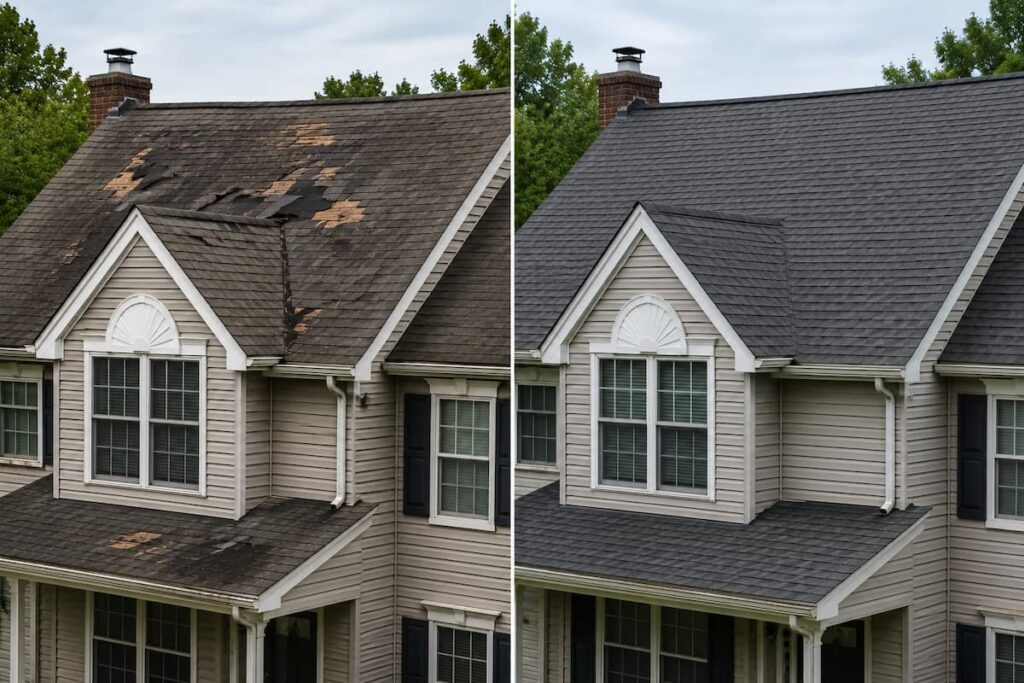
Drive through Scarsdale, White Plains, or Tarrytown and you will see it everywhere: dark streaks staining otherwise beautiful roofs, worst on the shaded, north-facing slopes. Most homeowners assume it is dirt, soot, or a worn-out roof. It is almost always none of those, and the good news is it is very fixable, without replacing a thing.
What causes black streaks on a roof?
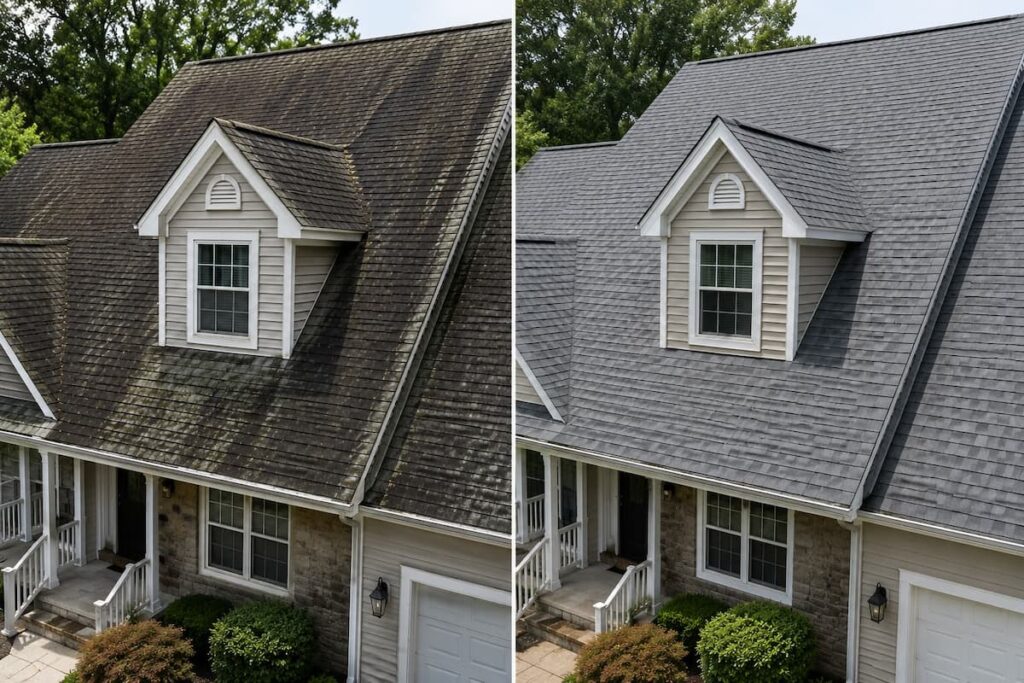
Those black stains are a hardy blue-green algae called Gloeocapsa magma. It feeds on the limestone filler in modern asphalt shingles and spreads by airborne spores, which is why once one house on the street has streaks, neighbors often follow. It clings to the shingles in a dark, streaky film that darkens year after year if left alone.
Why Westchester County roofs get streaked so badly
Westchester County’s heavy tree canopy and humidity off the Hudson and Long Island Sound keep roofs moist enough for algae, moss, and lichen to flourish, and many premium slate and cedar roofs here need an especially gentle hand. The streaks usually appear first on north- and east-facing slopes that get the least sun and stay damp the longest.
Why you should never pressure wash black streaks off
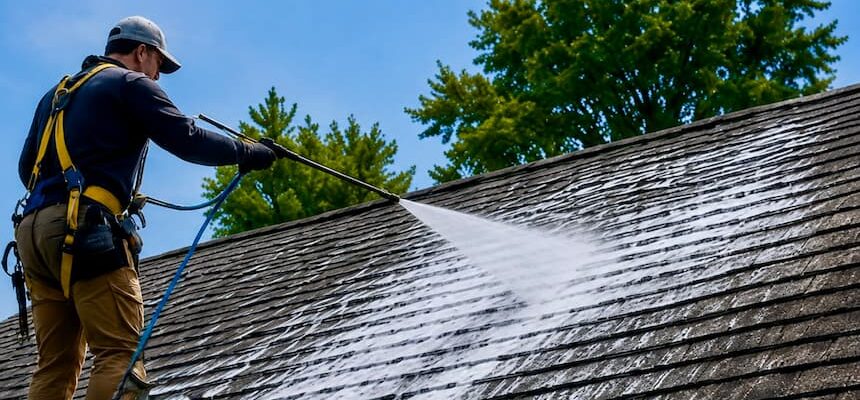
High pressure strips the protective granules that shield your shingles, shortens the roof’s life, can force water underneath, and often voids the warranty. Worse, it only removes the surface, so the algae roots survive and the streaks come back within months.
Algae, moss, and lichen: know the difference
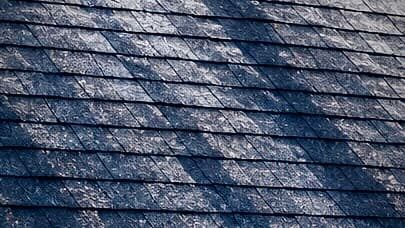
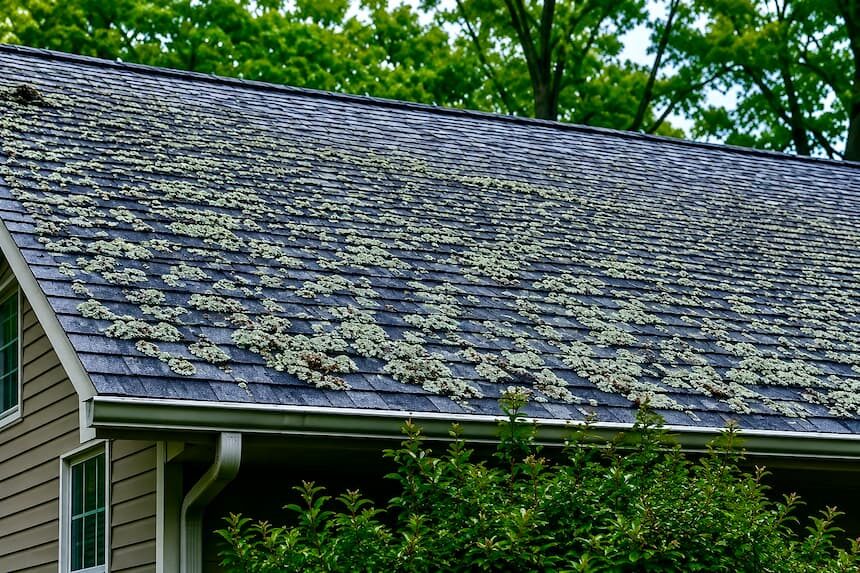
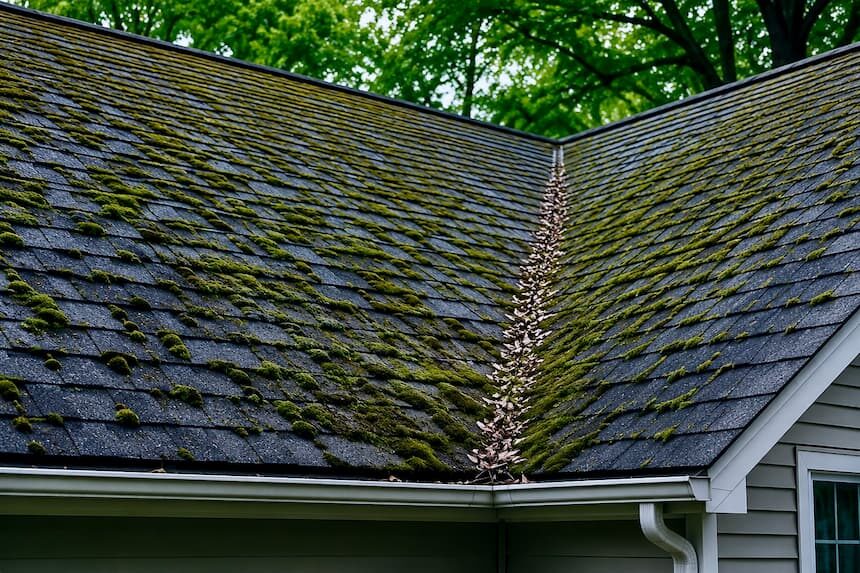
- Algae: flat, black, downward streaks; the most common and easiest to treat early.
- Moss: green, spongy clumps that hold water against the shingles and can lift their edges.
- Lichen: crusty, gray-green growth that grips hardest and is the most stubborn to remove.
How soft washing removes black streaks for good
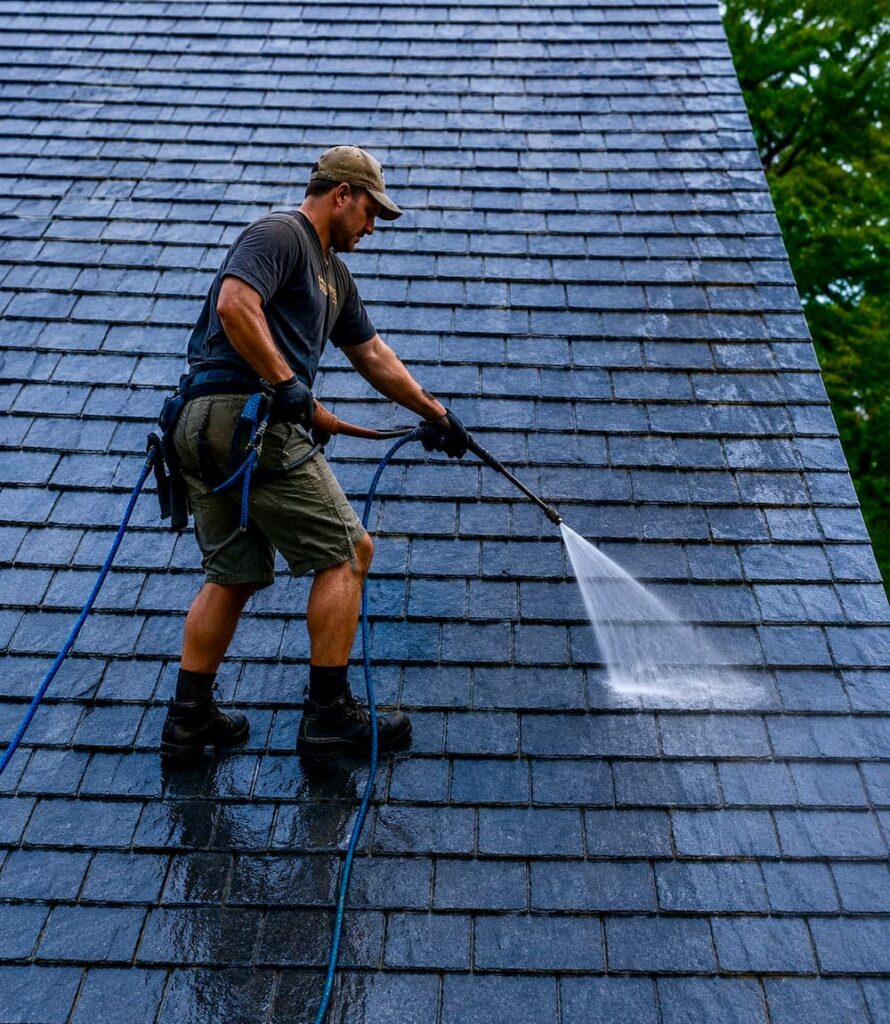
Soft washing is the method roofing manufacturers recommend. A biodegradable solution is applied at low pressure, kills the algae, moss, and lichen at the root, and is gently rinsed away. Because the organisms are neutralized rather than knocked loose, the roof stays clean for years. Heavy moss and lichen are treated and allowed to release naturally over the following weeks so the shingles are not damaged.
Local roofers who do it right
Frequently Asked Questions
What are the black streaks on my roof?
They are caused by a blue-green algae called Gloeocapsa magma, which feeds on the limestone in asphalt shingles and spreads by spores. It appears as dark streaks, usually on shaded, north-facing slopes.
Will black streaks come back after cleaning in Westchester County?
Not for a long time if the roof is properly soft washed, because the treatment kills the algae at the root. Pressure washing only removes the surface, so the streaks return quickly.
Can I remove roof algae myself?
DIY is risky — walking a roof is dangerous, and the wrong pressure or chemicals can damage shingles or void your warranty. A professional soft wash is safer for you and your roof.
Do black streaks mean I need a new roof?
Usually not. Black streaks are surface algae, not structural damage. A professional cleaning almost always restores the roof, and a licensed roofer can confirm it is otherwise sound.
Does removing algae and moss extend a roof's life?
Yes. Algae and moss trap moisture and degrade shingles over time, so regular cleaning helps your roof reach its full expected lifespan.
Local roofers who do it right
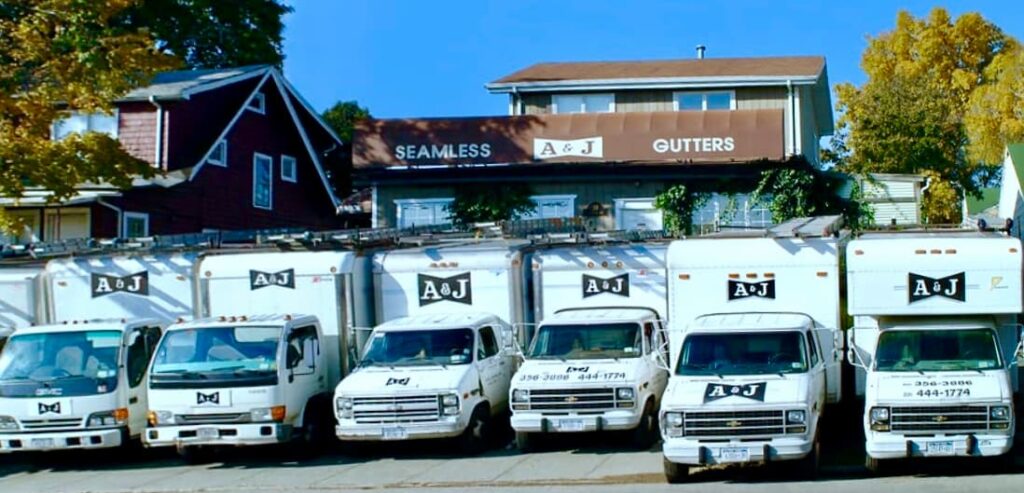
A&J Reliable has cleaned roofs across Westchester County since 1979, in White Plains, Scarsdale, Rye, Tarrytown, Bronxville, Chappaqua, and beyond. As a licensed roofing contractor, we do not just wash away the streaks; we make sure the roof underneath is sound.
CALL TO ACTION: See your roof look new again. Free inspection. Call (877) 492-9014.